
Welcome to our author‘s corner. We want to tell people more about you and your books. So please, send us your biography with a photo of yourself and join our growing community of writers, editors, bloggers, poets, dramatists, playwrights and novelists.
George Said Zammit
George A. Said-Zammit was born in Sliema, Malta, in 1969. He studied at the University of Malta, graduating in 1990 (B.A. in Archaeology and Classics). Between 1992 and 1994 he read for a Master of Arts (M.A.) degree in Archaeology at the University of Durham under the supervision of Dr J. L. Bintliff. His thesis was concerned with mortuary practices in the Punic Mediterranean, with particular reference to the Maltese islands. His thesis was published by British Archaeological Reports (B.A.R.) in 1997, entitled Population, Land Use and Settlement on Punic Malta. Between 2007 and 2009 he read for a Post-Graduate Diploma in Educational Management and Administration from the University of Malta, graduating with distinction. In 2011 he registered for a Ph.D. degree at the University of Leiden. His research was supervised by Prof. Dr J. L. Bintliff (Faculty of Archaeology, University of Leiden) and co-supervised by Dr H. Stöger (Faculty of Archaeology, University of Leiden).
Between 1988 and 1990 he was involved in the updating of the Malta’s Antiquities List, which led to the publication of the National Protective Inventory in 1990. He was also co-supervisor in the National Coastal Survey of the Maltese islands, which was organized in 1989 by the Department of Geography of the University of Durham, in collaboration with the University of Malta. Between 1988 and 1997 he also took part in archaeological excavations in Malta and Gozo. He participated and presented papers in a number of seminars and conferences in Malta and abroad. He is the author of various published articles and studies which focus on the built heritage of the Maltese islands as well as on mortuary practices and archaeology in the Punic world. He also gave public lectures in Malta and abroad on different aspects related to the archaeology of the Maltese islands. From 1990 onwards he taught a number of credit courses at the University of Malta, both at the Faculty of Arts as well as the Faculty of Education.
Ġino Lombardi
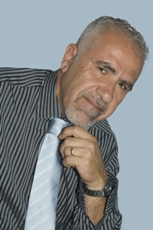
Ġino Lombardi twieled il-Furjana fit-23 ta’ Lulju tal-1960. Huwa żżewweġ lil Carmen nee’ Vella fl-1987 u għandhom żewġt ibniet, Kimberley u Nicole.
Ġino huwa t-tielet fil-ġenerazzjoni ta’ kittieba. Qablu kien hemm Emilio, li għex bejn l-1881 u l-1956, (bużnannuh), u li kiteb madwar mija u għaxar kotba. Uħud minn dawn huma L-Għama ta’ Lourdes, Is-Sigriet tal-Qrar, L-Iltiema, Tgħallaq u Baqa’ Ħaj! Ġino huwa iben Elio, li wkoll ippubblika diversi rumanzi, fosthom L-Eku tad-Daqqa ta’ Ħarta, Sonya u Anġelo l-Iswed.
Giovanni Bonello
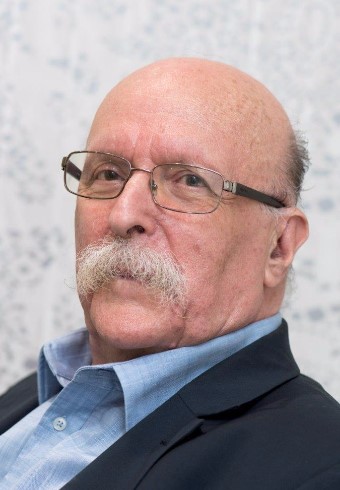
Giovanni Bonello was judge at the European Court of Human Rights for twelve years. Before that he had been a lawyer in private practice, specializing in human rights and constitutional litigation, defending 170 human rights lawsuits before local and international courts. He was the first Maltese delegate to the European Commission for Democracy through Law (The Venice Commission)and chaired the National Committee for the Reform of the Administration of Justice.
His clients included the Malta Chamber of Commerce, the Italian Embassy, the Archbishop’s Curia, Enemalta and the Apostolic Nunciature.
Godwin Vella
Godwin Vella, the author, graduated Bachelor of Arts (Honours) in Archaeology (1995), and Masters in Business Administration with a focus on Heritage Interpretation (2002). He held the post of Secretary Wirt Għawdex between 1992 and 2004, served on a number of government appointed boards and committees in the heritage sector, and authored several essays on Gozo’s cultural patrimony. He managed Heritage Malta’s Gozo Area Office between 2004 and 2008 and is currently heading the Ethnography Unit within the same National Agency.
Gordon Weston

Not long after arriving in Malta I had my first photographic exhibition in 2007: courtesy of Ħeritage Malta. However, though I continued to take and sell photographs, I became increasingly fascinated and absorbed by Maltese prehistory, and returned to writing with some photography. Since the successful publication of my book on the Maltese Cart-Ruts in 2010 I have been engage in the writing a book dealing with one of those rare places in Malta where, within a relatively confine locality, much of Maltese history can still be appreciated by the interested visitor: due for publication in 2012. An ongoing longer term project is research into the origins and motivations of the Maltese Temple builders.
Guido Bonett
 Guido Bonett, ARPS, AMPS has had a keen interest in nature and its conservation from a fairly young age and, as a consequence, he has travelled widely in his quest to observe and photograph wildlife.
He was born in Birkirkara in 1956, when what is now Malta’s most populated town was still relatively rural, and where significant pockets of semi-natural environment still flourished and which, therefore, helped instil an interest in natural history. Some years later the family moved for a spell to Germany. The exposure to seemingly endless countryside and forests in Central Europe continued to nurture a fascination for nature and a sense of responsibility towards its protection in the young Guido. Consequently, on his return to Malta, he became actively involved in the local conservation movement, serving for many years in various societies, ultimately holding the positions of public relations officer and council member of the then Malta Ornithological Society. Nature protection in the seventies and eighties were challenging times for conservationists and Guido’s commitment to the cause saw his participation in various European regional conferences and flora.
Guido Lanfranco
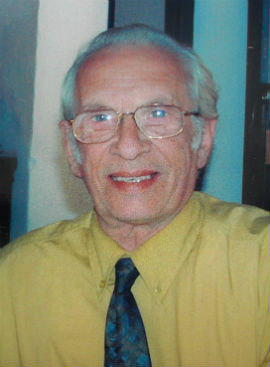
Twieled fit-18 ta’ Ottubru 1930, iben Joseph u Mary (Abela). Attenda l-iskola Stella Maris College f’Tas-Sliema u l-Gżira, St. Michael’s College for Men Teachers San Ġiljan (1950–1951), u korsijiet oħrajn. Iżżewweġ lil Salvina Bonnici, għalliema (1964). Kellhom lil Sandro (1966) u lil Graziella (1969).
Għallem f’De La Salle College, il-Birgu (1949–1950) u diversi skejjel primarji tal-gvern (1950–1964) u sekondarji u tekniċi f’Malta u Għawdex, bis-suġġetti tax-xjenza, bijoloġija, u ġeografija, u fl-iskejjel ta’ filgħaxija tal-gvern għall-bijoloġija avvanzata (1966–1979), kif ukoll filgħaxijiet f’St. Edward’s College (1968–1970). Kien lecturer f’St. Michael’s College of Education għall-għalliema (1966–1973) fejn għallem metodi għat-tagħlim tax-xjenza u l-istudji soċjali. Għallem il-bijoloġija avvanzata fl-Upper Secondary School Valletta, li wara saret in-New Lyceum G.F. Abela l-Imsida (issa l-Junior College) (1973–1978) fejn laħaq kap tad-Dipartiment tal-Bijoloġija u Assistant Kap tal-iskola (1980) minn fejn irtira fl-1991.
Horatio Vella
Il-Professur Horatio Caesar Roger Vella twieled f’Tal-Pieta fis-26 ta’ Novembru. 1952, u trabba f’Tas-Sliema. Huwa studja fis-Seminarju tal-Furjana u fl-Ingilterra. Iggradwa fl-Universita ta’ Malta B.A. (Hons.), M.A. u Ph.D. fil-Latin u fil-Grieg bejn 1976 u 1979. Ghallem fl-Universita ta’ Zimbabwe bejn l-1979 u l-1989, u fl-Universita ta’ Malta sa llum. Ghallem ukoll fl-Universita ta’ Malawi, Lnd fl-Isvezja, Riga fil-Latvia, Vilnius fil-Litwanja u Melbourne, fl-Awstralja. Huwa kiteb kotba u artikoli fuq l-istorja ta’ Malta, Epika Klassika, Mitologija Griega, Metrika Klassika u Epigrafija Latina f’Malta , u hadem ukoll fuq traskrizzjonijiet u traduzzjonijiet mil-Latin u l-Grieg, u katalogarizzar u kompjuterizzar ta’ arkivji f’Malta u Ghawdex. Il-Professur Vella, li ilu joqghod f’Hal Kirkop mill-1989 u li jaghti sehem attiv fil-parocca, huwa mizzwweg lil Vivienne nee Caruana, u ghandhom tifel jismu Jerome.
Jeffrey Sammut
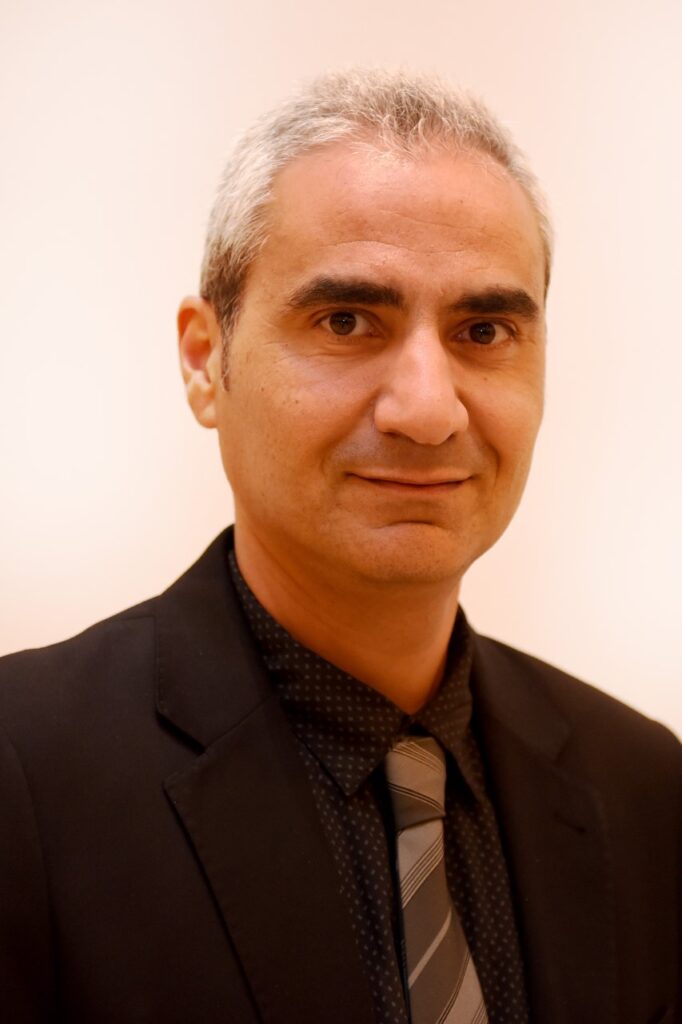
Jeffrey Sammut was born in 1977 and was educated at the Archbishop’s Minor Seminary, Rabat. He later graduated as a teacher from the University of Malta. Currently, he works with the National Literacy Agency and is also the Librarian of the Mellieħa Branch Library.
In 2007, Jeffrey Sammut was the co-author of the book ‘AnaliżiSoċjo-ekonomika u Ambjentalital-Mellieħa’, published by the Gużè Ellul Mercer Foundation.
Jennifer Spagnol
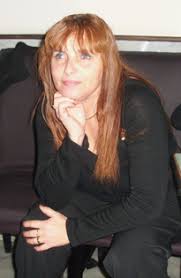
Imwielda Birkirkara, Malta, ir-raba’ minn ħames aħwa, Jennifer kellha trobbija sabiħa. Toqgħod il-Birgu u hija miżżewġa lil Emanuel u għandhom żewġ subien, David u Johann.
Jennifer Spagnol tikteb stejjer kemm għat-tfal kif ukoll għall-kbar, u tikteb ukoll il-poeżiji. Fl-2006 kitbet il-lirika għall-poema sinfonika bl-isem Karba, iddedikata lill-ġenituri tagħha Andrew u Margaret Cortis, li għaliha r-raġel tagħha Emanuel ikkompona l-mużika, fejn ġiet milqugħa b’akklamazzjoni kbira. Fl-2012 ippubblikat l-ewwel ktieb tagħha bl-isem ta’ Ġabra ta’ Novelli, u fl-2015 ippubblikat tliet kotba tat-tfal bejn is-seba’ snin u l-għaxar snin bl-isem ta’ Avventura fi Żmien il-Milied, Il-Pittura Maġika u L-Arloġġ tal-Futur, b’dawn l-aħħar tnejn se jitkomplew permezz ta’ stejjer li ser joħorġu fil-futur qarib. Fis-sena 2016 storja minn tagħha ġiet magħżula mill-Aġenzija Nazzjonali tal-litteriżmu u ġiet ippubblikata f’Big Book għall-iskejjel tal-Istat u tal-Knisja għat-tieni sena bl-isem ta’ Fenegriż u l-Għalqa tal-Karrotti. Fl-istess sena ħarġet ktieb bil-lingwa Ingliża Love Never Dies.