
Description
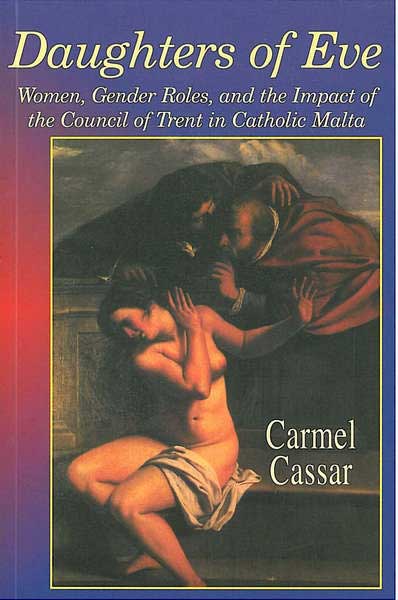
During the sixteenth century, religious reform provided a rhetoric which insisted that the proper place for women was the home under patriarchal control. Throughout Europe, confining and limiting norms were imposed on women who were instructed by Church leaders and theologians to be ‘chaste, silent and obedient’. The social conventions of the time reinforced the conviction that marriage and the family, female chastity and domestic industry lay at the heart of community life, thus ensuring both the stability and the prosperity of society as a whole. Women were both liberated because the Church regulated the behaviour of men towards women. They were enslaved because hey were forced to accept stereotypes which highly restricted female behavioural options It is no surprise therefore that most of the female population continued to believe that their main hope for security lay in a partnership with a man who would see them through the raising of a family and, if lucky, would provide them with some sufficiency during old age. However these were time-honoured goals which many would never realize – and the vulnerability of all those who failed was apparent for all to see.






Reviews
There are no reviews yet.