
If you haven’t heard of STEM before, it stands for Science, Technology, Engineering and Maths, and refers to anything that exists within those realms. We’ve detailed what these subjects generally consist of below, though it’s worth mentioning that there are huge overlaps between them:
Science: This includes the obvious candidates such as biology, chemistry and physics, but also includes subjects such as psychology, geology and astronomy.
Technology: Perhaps the biggest and broadest of these subject areas, technology includes topics such as computer science, software development, AI and programming.
Engineering: This is not exhaustive but the four main areas of engineering are chemical, civil, mechanical and electrical engineering.
Maths: Although this includes geometry, fractions, algebra and statistics, it also encompasses subjects related to economics.
STEM learning aims to integrate all of these subjects, as opposed to teaching them as separate and disparate subjects.
Skills developed by students through STEM provide them with the foundation to succeed at school and beyond.
STEM encourages the development of key skills, including:
- problem solving
- creativity
- critical analysis
- teamwork
- independent thinking
- initiative
- communication
- digital literacy.
STEM Books for Ages 3 – 5
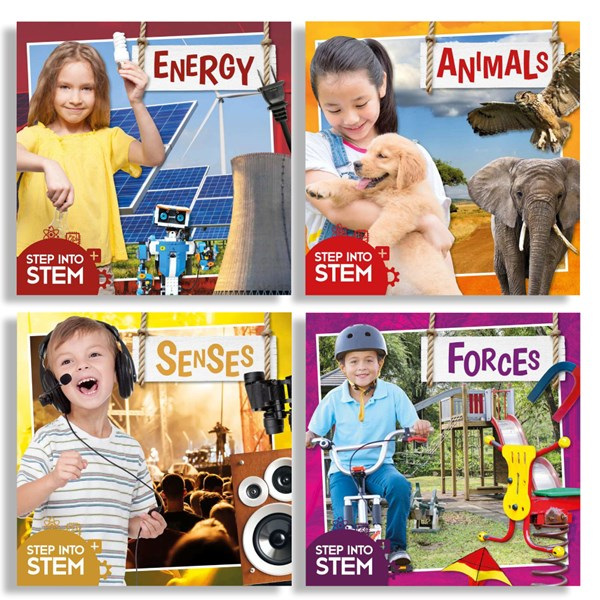
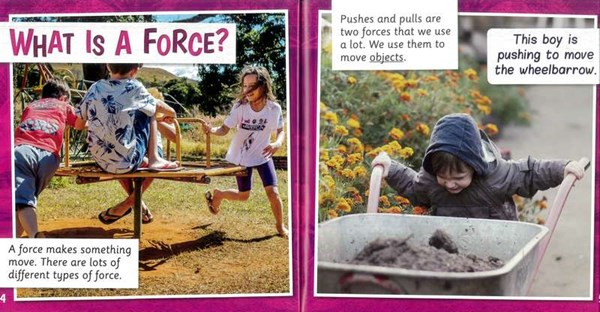
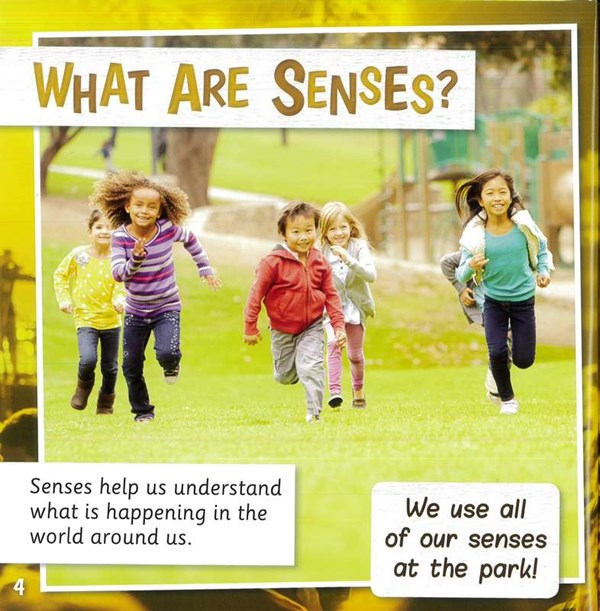
Use all your senses to discover the wonderful world of science in this beautiful photographic series. Little learners can explore the big wide world and the science behind the wonders it has to offer. From forces to feathered friends, come with us as we Step into Stem!
Bursting with fun facts and exciting examples, these books provide the most important information for your first steps into science, technology, engineering and maths.
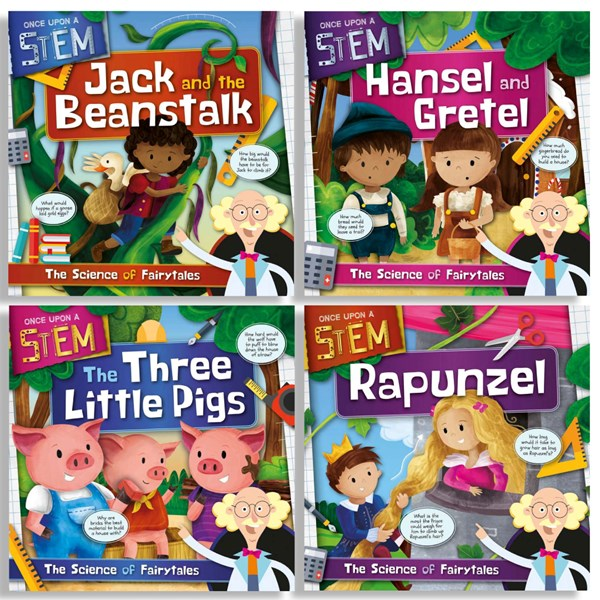
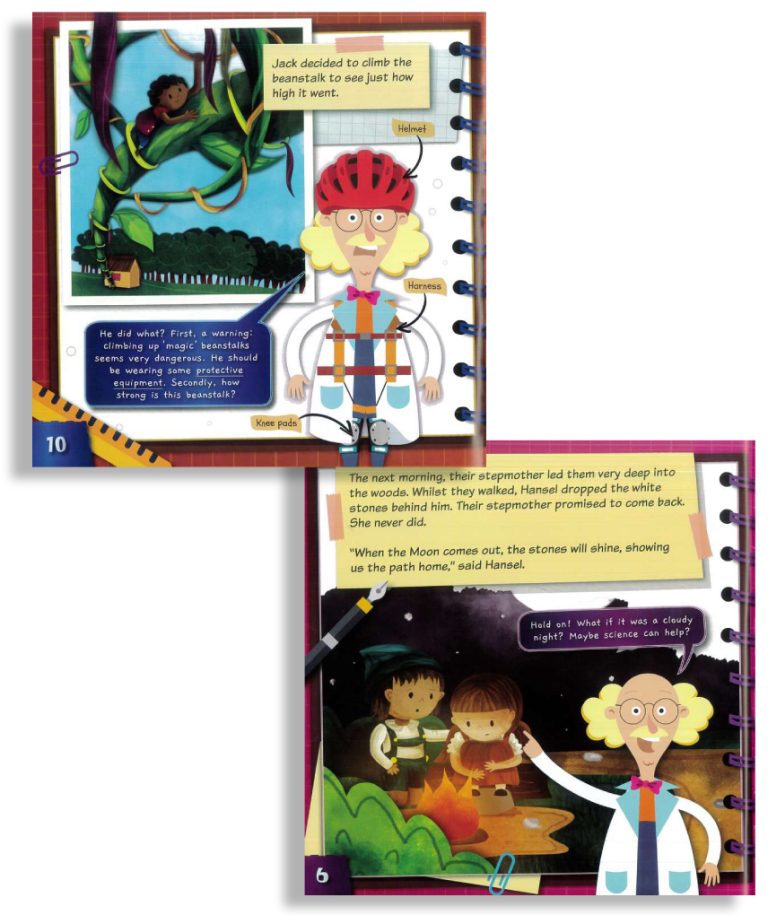
Once Upon a STEM: Have you heard the story of Jack? You know, the one where he plants the magic beans, and a giant beanstalk shoots up into the sky. Did you ever wonder what a scientist would make of that beanstalk? How about Rapunzel? Did you ever wonder what a scientist would think about people climbing up hair?
Well wonder no longer, because Professor Everafter is here, and he is going to put these fairy tales under the microscope.
STEM Books for Ages 4 – 8
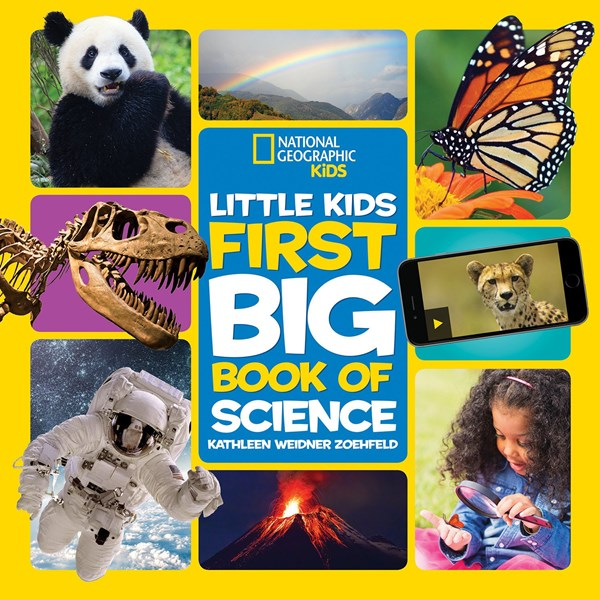
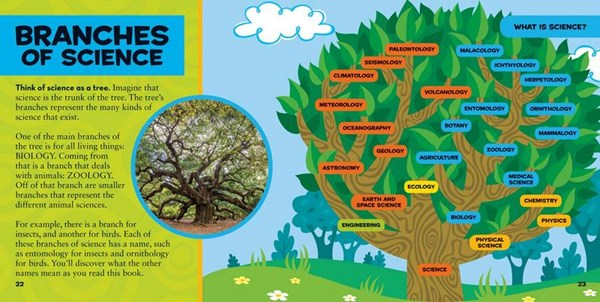
National Geographic’s Little Kids First Big Book of Science inspires kids to be curious, ask questions and explore the world around them — just like scientists.
Whether it’s keeping a journal of science experiments or exploring the ecosystem right in their own backyard, kids will get an exciting introduction to the basic branches of science, including life science, earth and space science, and physical science, as well engineering.
Packed with stunning photography, fun facts and interactive questions, this irresistible book focuses on high-interest topics that are written at a level appropriate for beginning readers or for reading aloud. Activities, games and simple experiments will also encourage hands-on learning, showing kids that anyone can use scientific observation and experimentation to be a scientist and explore the world around them.
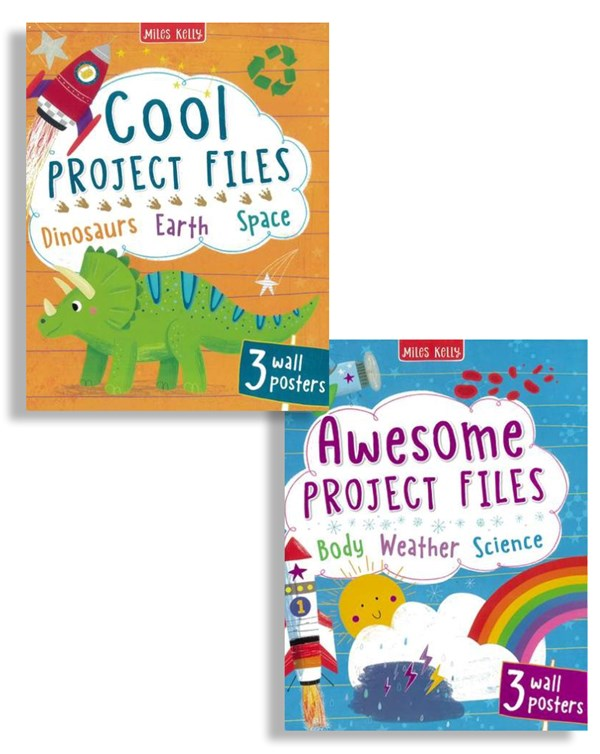
In the Project Files discover awesome facts and then delve deeper into these topics with hands-on projects! These books are recommended for ages 7+.
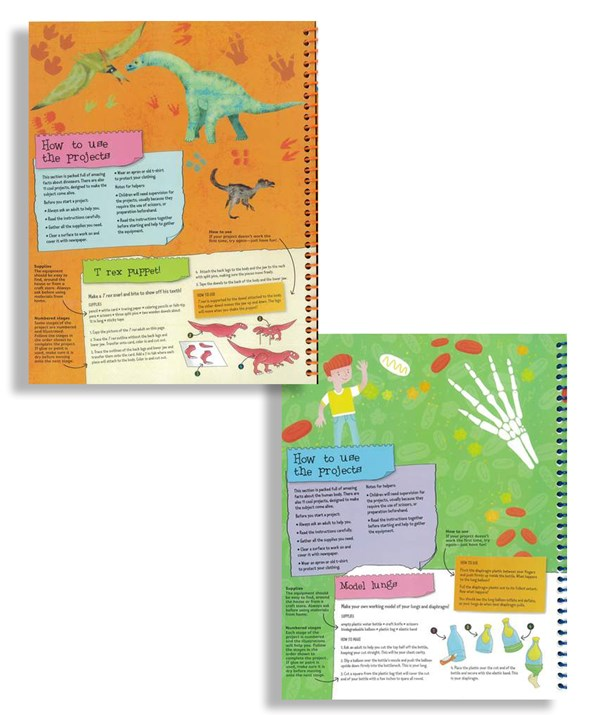
Get stuck into the core subjects of the human body, science, earth and more with lots of awesome hands-on activities. Flaps to lift and three spectacular fold-out feature spreads per book allow children to delve deeper into everything from how the brain works to why climate change occurs.
The projects include such things as building a weather vane, making a parachute, launching a balloon rocket and creating a tornado in a bottle.
STEM Books for Ages 9+
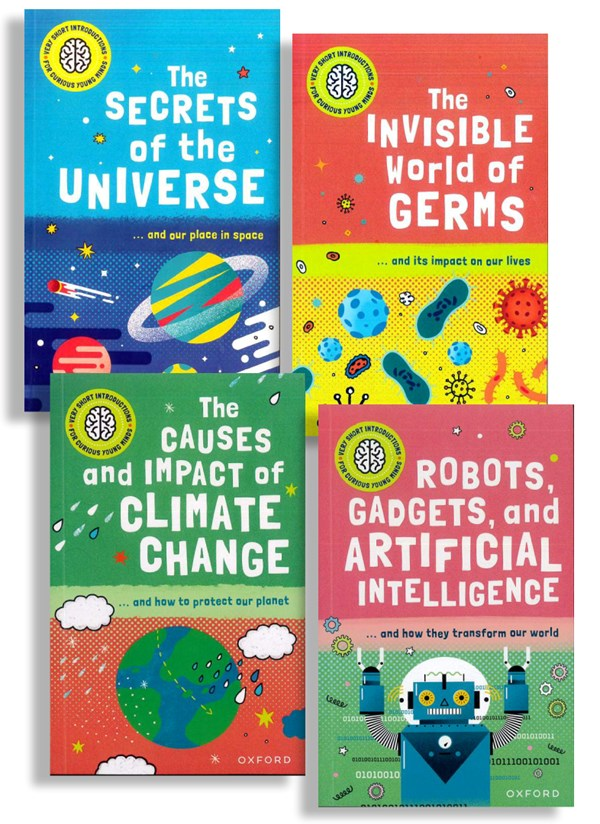
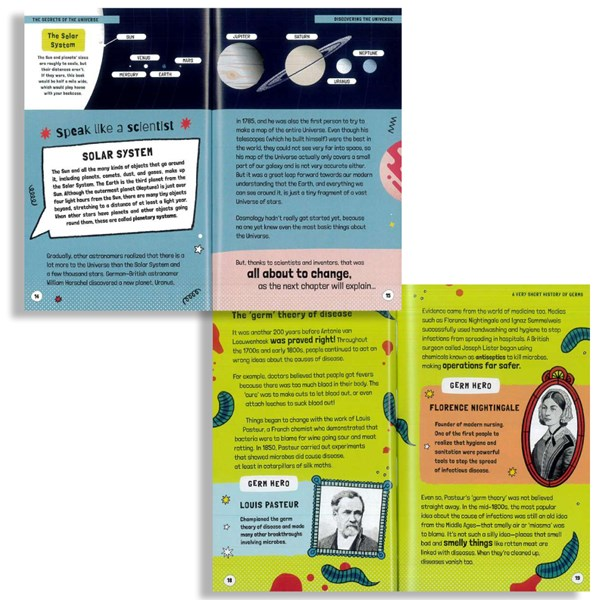
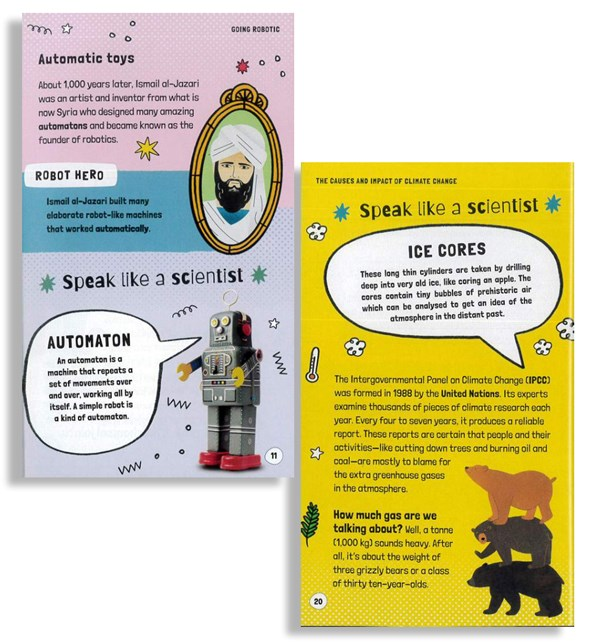
Very Short Introductions for Curious Young Minds is a new series of books by Oxford University Press.
They provide accessible introductions to the ideas, facts, and vocabulary behind an absorbing range of subjects. Meticulously researched and authoritative but written in simple language by experts in their fields, curious young readers will quickly get to grips with the basic principles and terminology of each subject.
Very Short Introductions for Curious Young Minds introduces diverse subjects from across the curriculum in a collectible format.
Help inspire young people to understand some of life’s more complex subjects, extending across the humanities, technology, social sciences, arts, earth sciences, computing, physics, engineering…